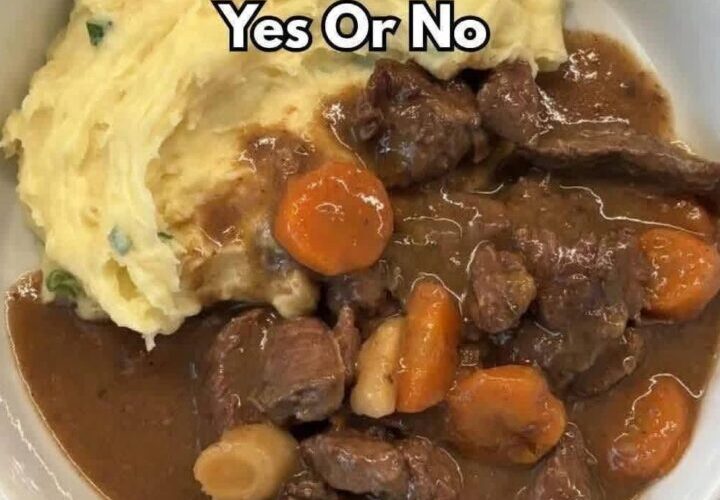
There is something especially comforting about a pot of beef stew slowly cooking on the stove while creamy mashed potatoes are prepared alongside it. The beef becomes tender, the vegetables soften into the rich gravy, and the mashed potatoes provide the perfect base for soaking up all that savory sauce.
This is the kind of meal I like to make when I want something hearty and satisfying without trying to rush the cooking process. Most of the work happens at the beginning—preparing the beef, browning it well, and building the flavor with the vegetables and tomato paste. After that, the stew can gently simmer while the beef slowly becomes tender.
The stew is made in one heavy pot, which makes it easy to keep all those browned bits and juices in the dish. The beef chuck is lightly coated with seasoned flour before browning, giving the meat a beautiful crust and helping add body to the gravy later.
The potatoes are prepared separately and mashed with butter and warm milk. Once everything is ready, the stew is spooned over the potatoes so the gravy can work its way into the creamy potatoes. It makes a filling meal that works especially well for a family dinner or a cozy evening at home.
What Makes This Beef Stew So Comforting
The combination here is simple but satisfying. Tender beef, sweet carrots, celery, onion, garlic, herbs, and a savory broth come together slowly in the pot. The potatoes cooked in the stew add another layer of heartiness, while the frozen peas bring a little color and freshness toward the end.
The mashed potatoes are kept simple. Butter gives them richness, while warm milk helps loosen them into a creamy consistency. Because the potatoes are served underneath the stew, they do not need a complicated topping or extra ingredients.
The key is taking your time with the beef. Browning it properly before adding the liquid gives the stew a deeper flavor, while the slow simmer allows the beef chuck to become tender.
A Few Things to Know Before Starting
This recipe makes about 8 servings and takes approximately 25 minutes to prepare. The cooking time is about 3 hours, giving you a total time of roughly 3 hours and 25 minutes.
A Dutch oven or another heavy-bottomed pot works especially well because it holds heat evenly and gives you enough room to brown the beef and cook the entire stew.
The cornstarch slurry is optional. If you like a thicker gravy, it can be added near the end. If the stew has already reduced to the consistency you like, there is no need to use it.
The mashed potatoes are made separately, so I usually start them while the stew is finishing. That way, both parts of the meal are warm when it is time to serve.
Getting the Beef Ready
Start by cutting the beef chuck into pieces of approximately 1½ inches. Before seasoning, pat the beef dry with paper towels.
Drying the surface of the beef might seem like a small detail, but it helps the meat brown properly. If the beef is very wet when it reaches the hot pot, it can release moisture and begin steaming instead of developing the deep golden-brown exterior you want.
In a large bowl, combine the all-purpose flour, salt, and freshly ground black pepper.
Add the beef cubes and toss everything together until the pieces are lightly coated. The flour should cling to the meat without forming a thick layer.
Once the beef is coated, set it aside while the pot heats.
Brown the Beef for Deep Flavor
Place a large Dutch oven or heavy-bottomed pot over medium-high heat.
Add the olive oil and let it heat until it begins to shimmer. Add some of the beef cubes in a single layer. It is important not to put all of the beef into the pot at once.
If the pot becomes overcrowded, the temperature can drop and the beef may release moisture rather than brown. Working in batches takes a little longer, but it gives the meat much better color and flavor.
Cook each batch for approximately 3 to 4 minutes per side, turning the pieces as needed. The outside should become deeply golden brown.
The beef does not need to be cooked through at this point. It will finish cooking slowly in the stew.
Once a batch is browned, transfer it to a clean plate. Continue with the remaining beef until everything has been browned.
Do not clean the pot after browning the beef. The browned bits left on the bottom are exactly what you want.
Build the Vegetable Base
Reduce the heat slightly and add the diced onion to the same pot.
Cook the onion for about 5 minutes, stirring from time to time. As it softens, use a wooden spoon or heat-resistant spatula to scrape some of the browned pieces from the bottom.
Add the sliced carrots and chopped celery. Continue cooking for another 4 minutes.
The vegetables do not need to be completely cooked at this stage. They will continue softening as the stew simmers.
Add the minced garlic and cook for about 30 seconds, just until it becomes fragrant.
I like to keep an eye on the garlic at this point because it does not need much time. Cooking it too long over high heat can make it bitter.
Let the Tomato Paste Cook
Add the tomato paste directly to the vegetables.
Stir it through the mixture and cook for approximately 2 minutes. This short step gives the tomato paste a chance to develop a deeper flavor and helps give the finished stew its rich color.
The mixture will become darker and more fragrant as it cooks.
If the bottom of the pot looks very brown, there is no need to worry. The broth will loosen those flavorful bits when the pot is deglazed.
Add the Broth and Scrape the Pot
Pour a small amount of the beef broth into the pot.
As soon as the liquid hits the hot surface, scrape the bottom with your wooden spoon. Work around the pot until as many of the browned pieces as possible have been loosened.
Once the bottom has been scraped, pour in the remaining beef broth followed by the water.
This is where all the flavor built during the browning stage starts coming together.
Bring Everything Together
Return the browned beef to the pot. If there are any juices left on the plate where the beef rested, add those as well.
Stir in the Worcestershire sauce, bay leaves, dried thyme, and dried rosemary.
Give everything a gentle stir so the beef and vegetables are surrounded by the liquid.
At this point, the stew may look fairly thin. That is perfectly fine. It will change considerably during the long cooking time.
Let the Stew Simmer Slowly
Increase the heat until the liquid reaches a gentle boil.
As soon as it starts bubbling, reduce the heat to low and cover the pot.
Let the stew simmer gently for approximately 1½ to 2 hours. Stir it occasionally while it cooks.
There is no need to keep the stew at a rapid boil. A gentle simmer gives the beef chuck enough time to soften gradually and allows the flavors to develop without aggressively cooking the meat.
As the stew cooks, the broth will become richer and more savory, and the beef will begin to soften.
Check the Beef for Tenderness
After about 1½ hours, check a piece of beef with a fork.
If it is still firm or difficult to break apart, give it more time. The exact cooking time can vary, so it is better to judge the beef by its texture rather than by the clock alone.
The goal is beef that is tender enough to break apart easily with a fork.
This is one part of the recipe where patience makes a difference. If the beef needs additional cooking time, simply continue simmering it gently.
Add the Potatoes to the Stew
Once the beef is tender, add the peeled and chopped stew potatoes.
Stir gently and continue simmering for approximately 25 to 30 minutes.
The potatoes should become fork-tender but should still hold their shape. Adding them at this stage prevents them from becoming overly soft during the long cooking time required for the beef.
As they cook, the potatoes absorb some of the savory broth, making them a natural part of the stew.
Thicken the Gravy if Needed
Take a look at the consistency of the stew once the potatoes are cooked.
If you prefer a thicker gravy, mix 1 tablespoon of cornstarch with 2 tablespoons of water in a small bowl.
Stir until the mixture is completely smooth.
Add the slurry gradually to the simmering stew while stirring gently. Let the stew cook for about 5 minutes so the gravy can thicken.
There is no need to automatically add all of the slurry. Use it according to the consistency of the stew. If the gravy already looks thick enough, you can leave the cornstarch mixture out.
Finish with the Peas
Add the frozen peas near the end of cooking.
Stir them into the stew and cook for approximately 5 minutes.
Because frozen peas cook quickly, adding them toward the end helps them keep their color and texture.
Taste the stew before serving. Add additional salt or black pepper if needed.
Remember to remove the bay leaves before bringing the stew to the table.
Make the Creamy Mashed Potatoes
While the stew is finishing, prepare the mashed potatoes.
Peel 2 pounds of potatoes and cut them into similarly sized pieces. Place them in a large pot and cover them completely with cold water.
Add a generous pinch of salt.
Place the pot over high heat and bring the water to a boil. Once boiling, reduce the heat slightly and cook the potatoes for approximately 15 to 20 minutes.
Check them with a fork. They should be very tender, with the fork sliding easily through the center.
It is better for the potatoes to be fully tender at this stage. Potatoes that are not cooked enough can leave you with lumpy mashed potatoes.
Drain the Potatoes Well
Drain the potatoes thoroughly once they are cooked.
Return them to the warm cooking pot and let them sit for about 1 to 2 minutes over very low heat or off the heat.
This short resting period allows some of the extra moisture to evaporate.
Well-drained potatoes make a noticeable difference because excess water can make the mashed potatoes thin rather than rich and creamy.
Keep this step brief so the potatoes remain warm.
Mash with Butter
Add the butter to the hot potatoes.
Begin mashing until most of the large pieces have broken down.
For very smooth mashed potatoes, a potato ricer can be used. Avoid using a food processor because working potatoes too aggressively can make them sticky and gluey.
The goal is a soft, creamy texture that will hold up nicely underneath the stew.
Add the Warm Milk
Warm the milk before adding it to the potatoes.
Pour it in gradually while continuing to mash. There is no need to add everything at once because different potatoes can absorb different amounts of liquid.
Add enough to reach the consistency you prefer.
Finish by seasoning the mashed potatoes with salt and black pepper. Taste them and adjust the seasoning as needed.
The finished potatoes should be creamy, buttery, and well seasoned.
Give the Stew One Last Taste
Before serving, taste the stew one more time.
Check the salt and black pepper first. Then look at the gravy.
If the gravy is thinner than you would like, let the stew simmer uncovered for a few additional minutes. This gives some of the liquid a chance to reduce.
If the gravy is already at the consistency you want, there is no reason to keep cooking it.
Remove the bay leaves if you have not already done so.
Serve the Stew Over the Potatoes
For each serving, spoon a generous portion of creamy mashed potatoes into a bowl.
Use the back of a spoon to make a shallow area in the center.
Ladle the beef stew over the potatoes, making sure each bowl gets plenty of beef, carrots, celery, stew potatoes, peas, and gravy.
The warm gravy will naturally spread into the mashed potatoes. That combination of tender beef, rich sauce, and buttery potatoes is what makes the dish so comforting.
Serve while everything is hot.
Tips for Making the Stew Better
Brown the Beef Properly
The browning step is worth taking your time with. It gives the beef a deeper flavor and leaves behind browned pieces that become part of the gravy.
Work in Batches
If the beef does not fit comfortably in one layer, brown it in batches. This prevents overcrowding and gives each piece a chance to develop a good crust.
Keep the Heat Gentle
Once the stew starts simmering, reduce the heat. Beef chuck benefits from slow cooking because the connective tissue has time to soften.
Do Not Add the Stew Potatoes Too Early
The potatoes only need about 25 to 30 minutes once added to the tender beef. Adding them later helps them maintain their shape.
Drain the Mashed Potatoes Thoroughly
A little extra moisture can make mashed potatoes thinner than intended. Letting the drained potatoes sit briefly in the warm pot helps remove some of that excess moisture.
Use Warm Milk
Warm milk blends into the hot potatoes more easily and helps keep the mashed potatoes creamy.
Season as You Go
The beef gets seasoning before browning, while the stew and mashed potatoes are seasoned separately. Always taste both components before serving.
Making the Stew Ahead
This stew can be made a day before serving.
Once it has been cooked, allow it to cool appropriately and transfer it to a covered container in the refrigerator.
The flavors can become even more developed after resting overnight.
When it is time to reheat, warm the stew gently on the stovetop. If the gravy has become too thick while chilled, add a small amount of broth or water to loosen it.
For the best mashed potato texture, prepare fresh mashed potatoes when possible.
Storing Leftovers
Place leftover stew in an airtight container and refrigerate it. It should be used within approximately 4 days.
For longer storage, the stew can be frozen for up to 3 months. Leave a little room in the container because the stew can expand as it freezes.
When ready to use frozen stew, thaw it in the refrigerator before reheating. Warm it slowly until thoroughly hot.
The mashed potatoes can be stored separately in the refrigerator for up to approximately 3 days.
When reheating the potatoes, add a small splash of milk and a little butter if needed. Stir gently until they become creamy again.
What to Serve with Beef Stew
Mashed potatoes are the main companion for this recipe, but the stew can also be served with a few simple sides.
Crusty bread is an especially good choice because it can be used to soak up the remaining gravy. Dinner rolls, buttered noodles, steamed green beans, roasted vegetables, a simple green salad, or cornbread can also be served alongside the stew.
Keep the sides simple. The beef stew and creamy potatoes are already hearty and filling, so a straightforward vegetable or piece of bread is enough to complete the meal.
Final Thoughts
This beef stew is all about slow cooking and building flavor one step at a time. Browning the beef, cooking the vegetables in the same pot, developing the tomato paste, and deglazing with beef broth all contribute to the finished gravy.
The beef needs time to become tender, and the potatoes need to be cooked separately so they can stay creamy rather than soaking up all of the stew’s cooking time.
Once the stew is ladled over the mashed potatoes, everything comes together in one comforting bowl: tender beef, soft vegetables, savory gravy, and creamy potatoes ready to soak up every bit of sauce.
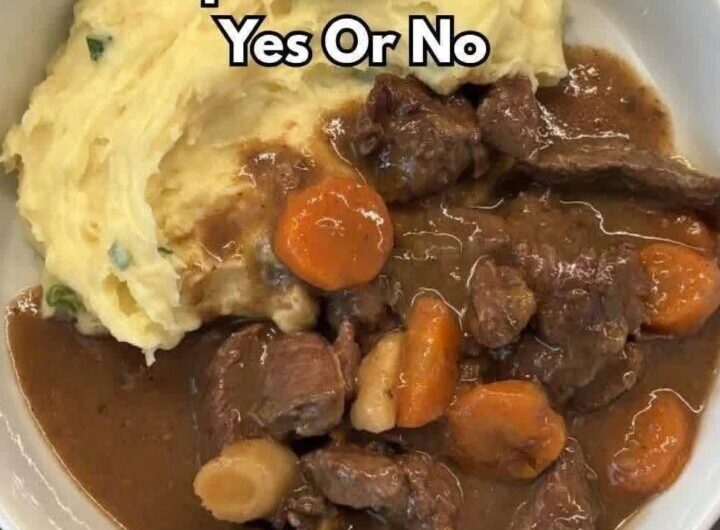
Comforting Beef Stew with Creamy Mashed Potatoes
Cuisine: AmericanDifficulty: Medium8
servings25
minutes3
hours300
kcal3
hours25
minutesTender beef chuck, carrots, celery, onions, herbs, and peas simmer together in a rich savory gravy and are served over creamy mashed potatoes. A hearty, comforting meal made for a relaxed family dinner.
Ingredients
2 pounds (900 g) beef chuck, cut into approximately 1½-inch cubes
2 tablespoons all-purpose flour
1 teaspoon salt
½ teaspoon freshly ground black pepper
2 tablespoons olive oil
1 large onion, diced
3 medium carrots, sliced into thick rounds
4 celery stalks, chopped
4 garlic cloves, minced
2 tablespoons tomato paste
4 cups beef broth
1 cup water
1 tablespoon Worcestershire sauce
2 bay leaves
1 teaspoon dried thyme
1 teaspoon dried rosemary
3 medium potatoes, peeled and cut into chunks
1 cup frozen peas
1 tablespoon cornstarch
2 tablespoons water
2 pounds potatoes, peeled and quartered
4 tablespoons butter
½ cup warm milk
Salt, to taste
Black pepper, to taste
Directions
- Pat the beef dry with paper towels. Mix flour, salt, and black pepper in a bowl. Toss the beef in the seasoned flour until lightly coated.
- Heat olive oil in a large Dutch oven or heavy-bottomed pot over medium-high heat. Brown the beef in batches for about 3 to 4 minutes per side. Transfer the browned beef to a clean plate.
- Reduce the heat slightly. Add the onion and cook for about 5 minutes. Add carrots and celery and cook for another 4 minutes.
- Add minced garlic and cook for about 30 seconds. Stir in tomato paste and cook for approximately 2 minutes.
- Pour in a small amount of beef broth and scrape the browned bits from the bottom of the pot. Add the remaining broth and water.
- Return the beef and its juices to the pot. Add Worcestershire sauce, bay leaves, thyme, and rosemary.
- Bring to a gentle boil, then reduce the heat to low. Cover and simmer for approximately 1½ to 2 hours, stirring occasionally.
- Check the beef with a fork. Continue cooking if it is not yet tender.
- Once the beef is tender, add the stew potatoes. Simmer for another 25 to 30 minutes, until the potatoes are fork-tender.
- For thicker gravy, mix cornstarch with water until smooth. Stir the slurry gradually into the stew and cook for about 5 minutes.
- Add frozen peas and cook for approximately 5 minutes. Taste and adjust salt and black pepper. Remove the bay leaves.
- For the mashed potatoes, place peeled and quartered potatoes in a pot and cover with cold water. Add a generous pinch of salt.
- Bring to a boil, reduce the heat slightly, and cook for 15 to 20 minutes, until very tender. Drain thoroughly and let them sit for 1 to 2 minutes.
- Add butter and mash the potatoes. Gradually add warm milk until creamy. Season with salt and black pepper.
- Spoon mashed potatoes into bowls and ladle the hot beef stew over the top. Serve immediately.
Notes
- Brown the beef in batches to prevent steaming.
- Keep the stew at a gentle simmer rather than a rapid boil.
- The cornstarch slurry is optional and can be used if you prefer thicker gravy.
- Add the stew potatoes after the beef becomes tender so they do not overcook.
- Warm the milk before adding it to the mashed potatoes.
- The stew can be refrigerated for approximately 4 days or frozen for up to 3 months.
- Mashed potatoes can be refrigerated separately for up to approximately 3 days.
