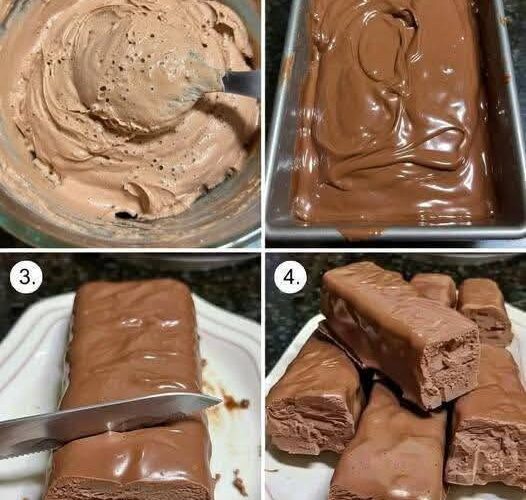
Homemade Keto Bounty Bars: A Creamy Coconut Treat with a Chocolate Coating
Finding a dessert that fits a low-carb lifestyle can sometimes feel challenging, especially when the craving for something sweet and chocolatey appears. These homemade keto bounty bars are a simple way to enjoy a classic-style coconut chocolate treat without the high sugar content found in traditional versions.
These bars have a soft and creamy coconut center covered with a smooth chocolate layer. The combination of coconut cream, coconut oil, and desiccated coconut creates the rich texture that makes these bars enjoyable, while sugar-free or high-cocoa chocolate chips provide the finishing chocolate coating.
The recipe uses only a few ingredients and does not require complicated baking steps. Everything comes together by mixing the coconut filling, shaping the bars, chilling them until firm, and coating them with melted chocolate. They are a convenient dessert option to keep ready in the refrigerator or freezer whenever a sweet snack is needed.
What Makes These Keto Bounty Bars Special
Traditional coconut chocolate bars are usually packed with sugar, which increases their carbohydrate content. This homemade keto version uses low-carb ingredients to create a similar experience while keeping the recipe more suitable for a keto-friendly eating style.
The creamy coconut filling is the heart of this recipe. Coconut cream provides richness, while coconut oil helps hold the mixture together and enhances the natural coconut flavor. Desiccated coconut gives the bars their familiar texture, making every bite chewy and satisfying.
The chocolate coating adds a smooth outer layer that balances the coconut flavor. Using sugar-free chocolate chips or chocolate with high cocoa solids keeps the dessert lower in carbohydrates while still giving it a delicious chocolate taste.
Understanding the Ingredients
Coconut Cream
Coconut cream creates the creamy foundation of the filling. It adds moisture, richness, and a natural coconut flavor that makes the center soft and enjoyable.
Because coconut cream is thicker than regular coconut milk, it helps create the right texture for shaping the bars. It blends easily with the other ingredients and gives the filling a smooth consistency.
Coconut Oil
Coconut oil helps bind the ingredients together while adding extra coconut flavor. It also helps the filling maintain its structure once chilled.
The oil works with the coconut cream to create a soft but firm texture that holds its shape after refrigeration or freezing.
Desiccated Coconut
Unsweetened desiccated coconut is an important ingredient because it provides the classic coconut texture. It absorbs moisture from the coconut cream and helps transform the mixture into a dough-like consistency.
Using unsweetened coconut keeps the recipe lower in carbohydrates and allows the natural coconut flavor to stand out.
Monk Fruit Sweetener
Monk fruit sweetener adds sweetness without adding sugar. It is a keto-friendly option that helps create the dessert-like flavor expected from a bounty-style bar.
The amount can be adjusted depending on personal sweetness preference, but the listed quantity provides a balanced taste.
Dark Chocolate Chips
The chocolate coating gives these bars their final touch. Sugar-free chocolate chips or high-cocoa chocolate chips work well because they provide a rich chocolate flavor while keeping the recipe lower in carbs.
The chocolate layer creates a contrast between the smooth coating and the soft coconut filling inside.
Preparing the Coconut Filling
The first step is preparing the base of the bars. A baking tin, silicone mold, or ice tray can be used to shape the mixture. Lining an 8-inch square baking tin with parchment paper makes it easier to remove the chilled bars later.
The coconut cream, melted coconut oil, desiccated coconut, and monk fruit sweetener are combined in a mixing bowl. The ingredients are mixed until everything comes together into a sticky dough-like mixture.
The consistency is important because the filling needs to hold its shape. If the mixture feels too soft, additional desiccated coconut can be added until it becomes firm enough to shape.
The coconut mixture should not be too wet. A slightly sticky texture is ideal because it will become firmer once chilled.
Shaping the Bars
Once the filling is ready, it can be shaped into small bars or rectangles. A size of around 2–3 inches long works well for individual portions.
The mixture can also be pressed into silicone molds or an ice tray if a more uniform shape is preferred.
After shaping, the bars are placed on a parchment-lined baking sheet or kept inside the molds. They are then moved to the freezer for around 20–30 minutes.
This chilling step helps the coconut filling become firm enough to handle during the chocolate coating process.
Creating the Chocolate Coating
While the coconut bars are chilling, the chocolate coating can be prepared.
The chocolate chips are melted using a double boiler or by heating them in the microwave in short 20-second intervals. Stirring between each interval helps the chocolate melt evenly and prevents overheating.
The melted chocolate should be smooth and easy to dip. If the chocolate feels too thick, it can be made smoother by adding a small amount of coconut oil.
A thin, even coating works best because it allows the coconut flavor to remain the main focus while still providing a satisfying chocolate shell.
Coating the Coconut Bars
Once the coconut centers are firm, each bar is dipped into the melted chocolate. The entire surface should be covered to create the classic chocolate-covered appearance.
A fork works well for lifting the bars from the chocolate and allowing excess chocolate to drip away.
The coated bars are placed back onto the parchment-lined tray. They are then returned to the refrigerator or freezer for another 10–15 minutes until the chocolate becomes completely firm.
After the chocolate sets, the keto bounty bars are ready to enjoy.
Tips for Better Results
Adjusting the Coconut Mixture
The coconut filling should be firm enough to shape. If it feels too soft or wet, adding a little more desiccated coconut helps absorb extra moisture and improves the texture.
Adding Extra Flavor
For a different flavor variation, a small amount of vanilla or almond extract can be added to the coconut mixture. This gives the filling an additional layer of flavor.
Making the Chocolate Easier to Work With
If the melted chocolate is too thick for dipping, adding a teaspoon of coconut oil can make it smoother and easier to coat the bars evenly.
Creating Different Versions
These bars can be changed slightly while keeping the same basic recipe. Adding an almond on top of the coconut filling before dipping creates a variation similar to almond-style coconut chocolate bars.
Using vegan chocolate also makes them suitable as a low-carb vegan treat.
Carbohydrates in Keto Bounty Bars
Traditional bounty-style chocolate bars usually contain a high amount of carbohydrates because of the sugar used in the filling and coating.
This homemade keto version uses unsweetened coconut and sugar-free or high-cocoa chocolate chips, which significantly reduces the carbohydrate content compared with regular versions.
Each serving contains approximately:
- Calories: 126 kcal
- Carbohydrates: 7g
- Protein: 1g
- Fat: 12g
- Fiber: 5g
- Net Carbohydrates: 1g
These bars are a good option when looking for a sweet snack while keeping carbohydrate intake lower.
Storage Instructions
Refrigerator Storage
For the best texture and freshness, store the bars in an airtight container in the refrigerator.
They can also be wrapped individually to prevent them from absorbing moisture or odors from other foods.
Refrigerated keto bounty bars stay fresh for up to one week.
Freezer Storage
For longer storage, place the bars in a freezer-safe container or resealable bag.
Wrapping individual bars in parchment paper or plastic wrap makes it easier to take out one serving whenever needed.
They can be stored in the freezer for up to three months. They can be enjoyed chilled or allowed to soften slightly at room temperature before eating.
Serving Suggestions
These keto bounty bars are perfect as a dessert, snack, or small sweet treat after a meal. Their compact size makes them easy to store and serve whenever a chocolate craving appears.
Keeping a batch prepared in the refrigerator or freezer makes it easy to enjoy a homemade low-carb dessert without needing to prepare something fresh each time.
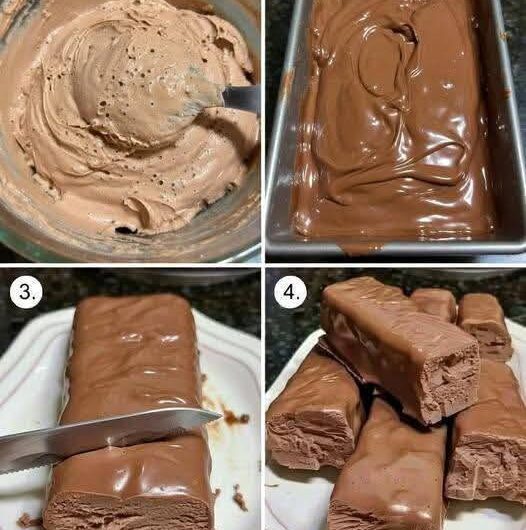
Keto Bounty Bars
Course: UncategorizedDifficulty: Easy20
servings15
minutes126 per bar
kcalHomemade keto bounty bars are a sugar-free, low-carb, and gluten-free treat made with a creamy coconut filling covered in a smooth chocolate coating.
Ingredients
½ can coconut cream (tinned)
¼ cup coconut oil
2 cups desiccated coconut (unsweetened)
2 tablespoons monk fruit sweetener
7 oz chocolate chips (sugar-free or high cocoa solids)
Directions
- Line an 8-inch square baking tin with parchment paper or prepare a silicone mold/ice tray.
- In a mixing bowl, combine coconut cream, melted coconut oil, desiccated coconut, and monk fruit sweetener.
- Mix until the ingredients are fully combined and form a sticky dough-like consistency.
- Shape the mixture into small bars or rectangles approximately 2–3 inches long, or press into silicone molds.
- Place the bars on a parchment-lined tray and freeze for 20–30 minutes until firm.
- Melt the chocolate chips using a double boiler or microwave in 20-second intervals, stirring between each interval.
- Dip each chilled coconut bar into the melted chocolate until fully coated.
- Place the chocolate-covered bars back onto the tray.
- Refrigerate or freeze for another 10–15 minutes until the chocolate coating sets.
- Store in an airtight container and enjoy.
Notes
- Makes 20 small bars.
- Store in an airtight container in the refrigerator for up to 1 week.
- Freeze for up to 3 months for longer storage.
- If the coconut mixture is too soft, add more desiccated coconut until it reaches a firm texture.
- For a flavor variation, add vanilla or almond extract to the coconut mixture.
