Sticky Mongolian Beef Noodles Recipe
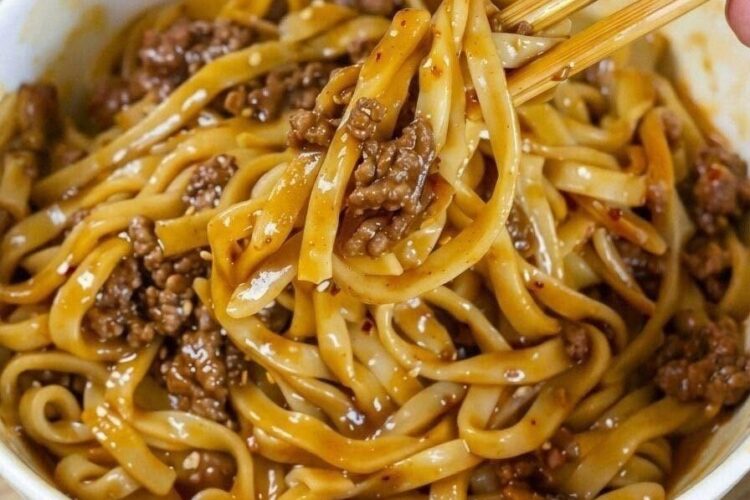
Sticky Mongolian beef noodles are a rich, savory-sweet, and slightly glossy stir-fry dish made with tender beef strips, silky noodles, and a thick caramel-style sauce that coats everything beautifully. This recipe is inspired by Asian-style Mongolian flavors, where soy sauce, garlic, ginger, and brown sugar combine to create a deep umami taste with a sticky glaze that clings perfectly to the beef and noodles. It is a comforting and satisfying meal that is quick enough for a weeknight dinner but also impressive enough to serve for guests because of its restaurant-style flavor and glossy finish. The combination of juicy beef, soft noodles, and bold sauce makes every bite flavorful, slightly sweet, and deeply savory.
To prepare sticky Mongolian beef noodles, you will need 300 to 500 grams of beef (thinly sliced against the grain), 200 to 250 grams of noodles (egg noodles, rice noodles, or spaghetti), 3 tablespoons of soy sauce, 2 tablespoons of oyster sauce, 2 tablespoons of brown sugar or honey, 1 tablespoon of cornstarch, 2 tablespoons of vegetable oil, 4 cloves of garlic finely minced, 1 tablespoon of fresh ginger minced, 1 small onion sliced, 1 bell pepper sliced (optional), 2 to 3 chopped spring onions, ½ cup of water or beef broth, and optional chili flakes or chili sauce for heat. The cornstarch is especially important because it helps make the beef crispy on the outside and helps thicken the sauce into a sticky glaze.
Start by preparing the beef. Slice the beef very thinly against the grain so it becomes tender when cooked. In a bowl, mix the beef with soy sauce, a pinch of salt, black pepper, and cornstarch, then coat it well and let it marinate for about 15 to 20 minutes. This step helps tenderize the meat and creates a light coating that will become crispy when fried. While the beef is marinating, cook the noodles according to the package instructions until they are just tender, then drain and set aside. Lightly toss them with a few drops of oil to prevent sticking.
Heat a large pan or wok over medium-high heat and add vegetable oil. Once the oil is hot, add the marinated beef in a single layer and cook for a few minutes without stirring too much so it can brown properly. Stir and cook until the beef becomes golden and slightly crispy on the edges. Remove the beef from the pan and set it aside. In the same pan, add garlic and ginger and sauté for a few seconds until fragrant, then add onions and bell peppers and cook for about 2 to 3 minutes until slightly softened but still crisp.
Next, pour in soy sauce, oyster sauce, brown sugar or honey, and water or broth. Stir everything well and allow the sauce to come to a gentle simmer. As it heats, the sugar will dissolve and the sauce will begin to thicken slightly. Add a cornstarch slurry (1 teaspoon cornstarch mixed with 2 tablespoons water) if you want a thicker, more sticky glaze. Once the sauce reaches a glossy and slightly thick consistency, return the cooked beef to the pan and mix well so every piece is coated in the rich sauce.
Add the cooked noodles into the pan and toss everything together gently so the noodles absorb the sticky Mongolian sauce. Stir carefully until the noodles are fully coated and the beef is evenly distributed throughout. Let everything cook together for another 1 to 2 minutes so the flavors blend properly and the sauce clings to the noodles beautifully. Taste and adjust seasoning if needed by adding a little more soy sauce, sugar, or chili for spice.
Once done, remove from heat and garnish with chopped spring onions and optional sesame seeds for extra flavor and texture. The final dish should look glossy, rich, and slightly sticky, with tender beef pieces wrapped around flavorful noodles. Sticky Mongolian beef noodles are best served hot and fresh, offering a perfect balance of sweet, salty, garlicky, and savory flavors in every bite.
This dish can be enjoyed on its own or paired with steamed vegetables or a light soup. The key to making it perfect is slicing the beef thinly, cooking it at high heat for a good sear, and balancing the sauce so it is sweet but not overpowering. With simple ingredients and quick cooking steps, this homemade version delivers a restaurant-style noodle dish that is satisfying, bold in flavor, and perfect for any noodle lover.
